+91 97858 85290 info@ranthamboreticket.com Sawai Madhopur, Rajasthan
OPEN NOW
Call Now
WhatsApp
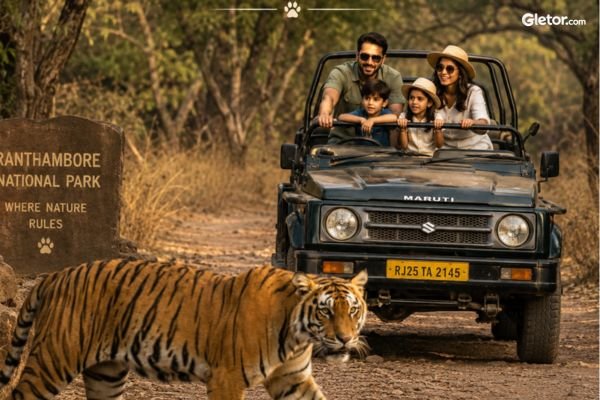
Ranthambore Safari Booking - tiger safari in Rajasthan Ranthambore Safari Ticket - open gypsy on forest trail Tiger Safari Booking - Ranthambore National Park Ranthambore Jeep Safari vehicle at safari gate
RANTHAMBORE NATIONAL PARK, RAJASTHAN

Your Ranthambore safari,
sorted in three minutes.

Pick a date, choose a Gypsy or a Canter, and we handle the forest permit. You get your zone and gate number by email and WhatsApp, plus a local team on call if anything changes.

We are an independent private travel agency — with no direct affiliation to, or authority from, the Government Forest Department or the official Ranthambore National Park.
July 2026
SunMonTueWedThuFriSat
TOTAL ₹ 0
Note: Carry a valid photo ID. Book early for peak season (Nov–Feb).

Current rates

Per person, including permit, vehicle, guide and taxes.

Safari Type Price Cap.
Jeep (Indian) ₹2300 6
Jeep (Foreigner) ₹3800 6
Canter (Indian) ₹1300 20
Canter (Foreigner) ₹3000 20
Confirmation via email & SMS Reliable permit booking On-call support Free cancellation before permit
STEP 01

Pick a date

Use the calendar to choose your safari day, then pick a slot, a vehicle and a party size. The total updates as you go.

STEP 02

We file the permit

Your details go to the Forest Department portal against that date's seat allocation. We will come back to you the moment it clears.

STEP 03

Get the details

Your zone, gate number and reporting time arrive by email and WhatsApp. Save the gate address offline — there is no signal inside the park.

STEP 04

Show up early

Be at the gate 30 minutes before the slot with your original ID. Vehicles leave on time, and late arrivals cannot be waited for.

Ranthambore Ticket team on safari in Sawai Madhopur
20+ Years in Ranthambore
Who you are booking with

Your safari agents in Sawai Madhopur

We are based in Sawai Madhopur, about ten minutes from the park gate. That matters more than it sounds. When a permit window shifts at 9 in the evening, or a zone closes on a weekday, the person answering your message already knows why.

Since 2005 we have arranged Ranthambore safaris for families, solo photographers, school groups and foreign visitors — mostly through word of mouth. We are a private booking facilitator, not the Forest Department, and we tell you that upfront. What we do is check live availability, file the permit correctly, and hand you a confirmed gate number before you leave home.

Authorised booking agent
Naturalist-guided drives
Plain, itemised pricing
Real people on WhatsApp
What we do

Beyond the permit

The safari permit is the part that cannot be changed. Everything around it — where you sleep, who drives you, what else you see — we can arrange.

Gypsy safari booking in Ranthambore
Most requested

Safari permits

Gypsy or Canter, morning or afternoon, up to 90 days ahead. We file with the Forest Department and send you the zone, gate and reporting time as soon as it clears.

Hotels and guesthouses near Ranthambore
Handpicked

Where you stay

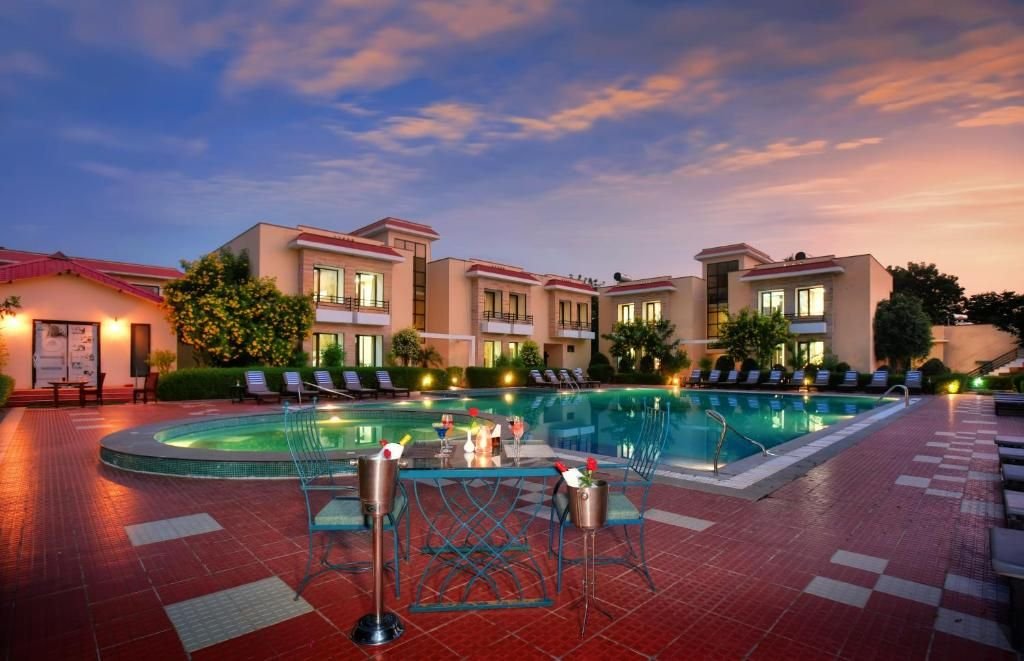
Forest lodges, family guesthouses and resorts, all within fifteen minutes of the gate. We tell you honestly which ones are worth the extra money.

Multi-day Ranthambore tour package
Built around you

Full itineraries

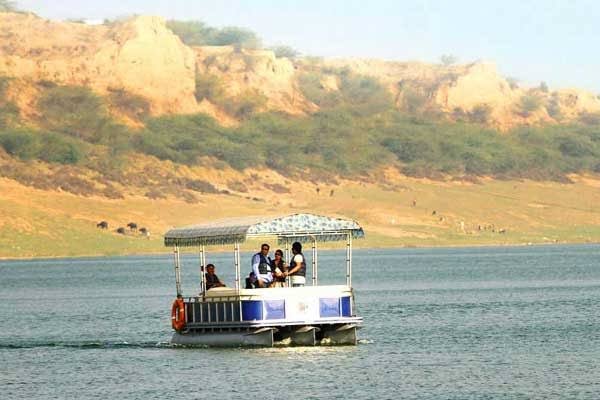
Two or three safaris, a fort visit, the Chambal boat trip and your transfers in one plan. Tell us how many days you have and we will fill them sensibly.

Village and culture tour near Sawai Madhopur
Off the beaten track

Around Sawai Madhopur

The regional museum, the fort, village walks and the old temples. Good on a day when the park is closed, and it fills the gap between safaris.

The ten zones

Ten zones, ten different mornings

Your zone is decided by the Forest Department when the permit is issued, not picked at the gate. This is a quick feel for what each one is like — useful when we plan the rest of your trip around a sighting.

01

Jhalra & Lakarda

Rolling grassland and open scrub. Fewer vehicles, longer sight lines.

Buffer
02

Kachida Valley

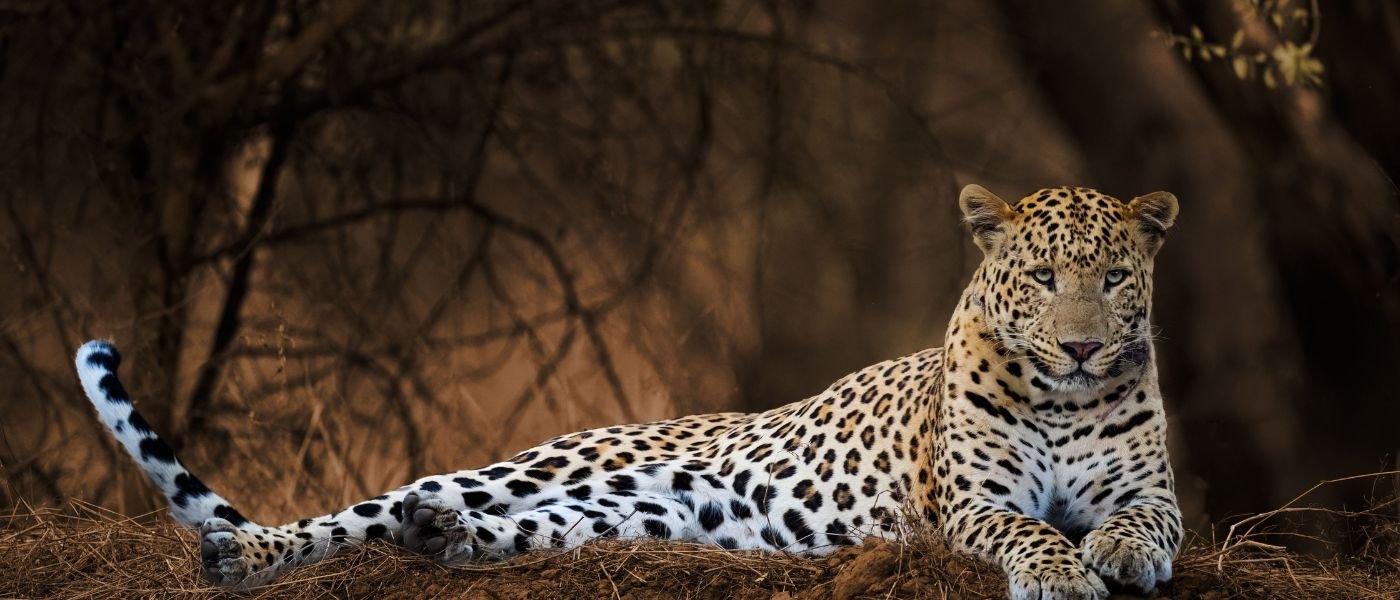
Rocky, undulating ground. The reserve's best-known leopard country.

Buffer
03

Lakes & Ranthambha Fort

Padam and Rajbagh lakes, with the old fort above them.

Core
04

Lakes Circuit

Dense core zone. A safe, rewarding first safari.

Core
05

Nal Ghati

Narrow valley routes under dry deciduous cover.

Core
06

Bakaula

Forest tracks that reward anyone up before sunrise.

Core
07

Semli

Grassland edges with genuinely good visibility.

Buffer
08

Kevaldhara

Wide, open plains. You will cover a lot of ground here.

Buffer
09

Kuwalji

Mixed scrub and low hills. Under-visited and calm.

Buffer
10

Aant Mahal

The quiet outer zone. Fewest vehicles of the ten.

Buffer
Park Information

About Ranthambore National Park

Ranthambore National Park sits in the rugged hills of southern Rajasthan, roughly 130 km from Jaipur. It began life as the Sawai Madhopur Game Sanctuary in 1955, became a Project Tiger reserve in 1973, and was declared a national park in 1980. It covers about 392 square kilometres.

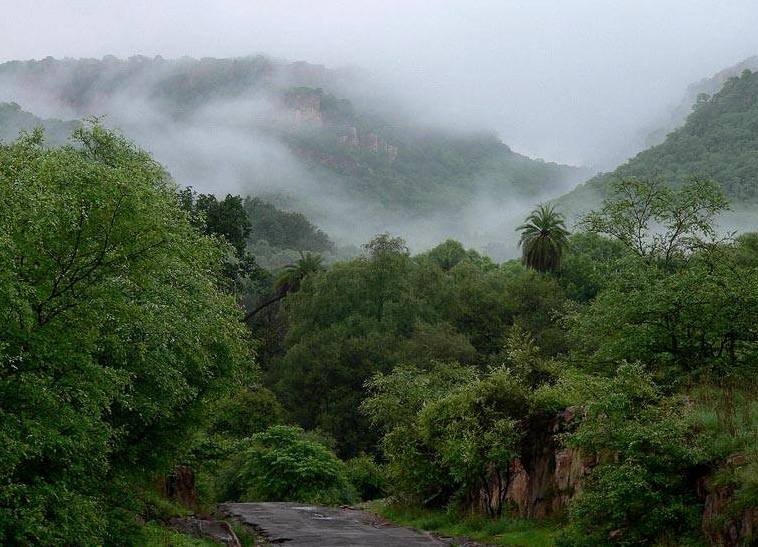
What makes Ranthambore unusual is the landscape. Dry deciduous forest gives way to open grassland, rocky ridges and seasonal lakes, all inside one reserve. That mix pulls in a wide range of animals — and it is a big reason tigers here are seen more often than in many other reserves.

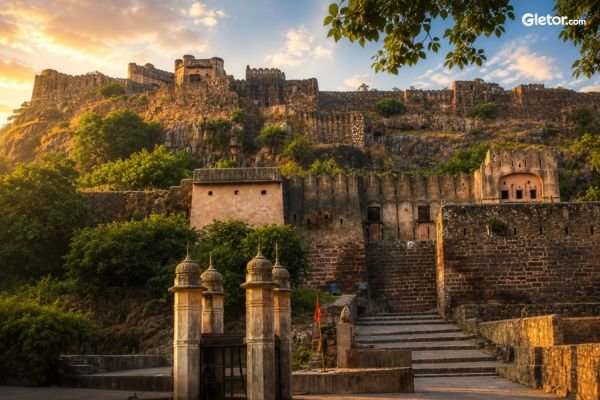
The fort on the hill above Padam Talao is part of the same landscape. It is a UNESCO World Heritage Site, and it has been watching over this forest since long before the park did.

When the park is open: 1 October to 30 June. Zones 6–10 are closed every Tuesday and zones 1–5 every Wednesday, so plan two safaris on the same weekday at your own risk. The whole reserve shuts from 1 July to 30 September for the monsoon.

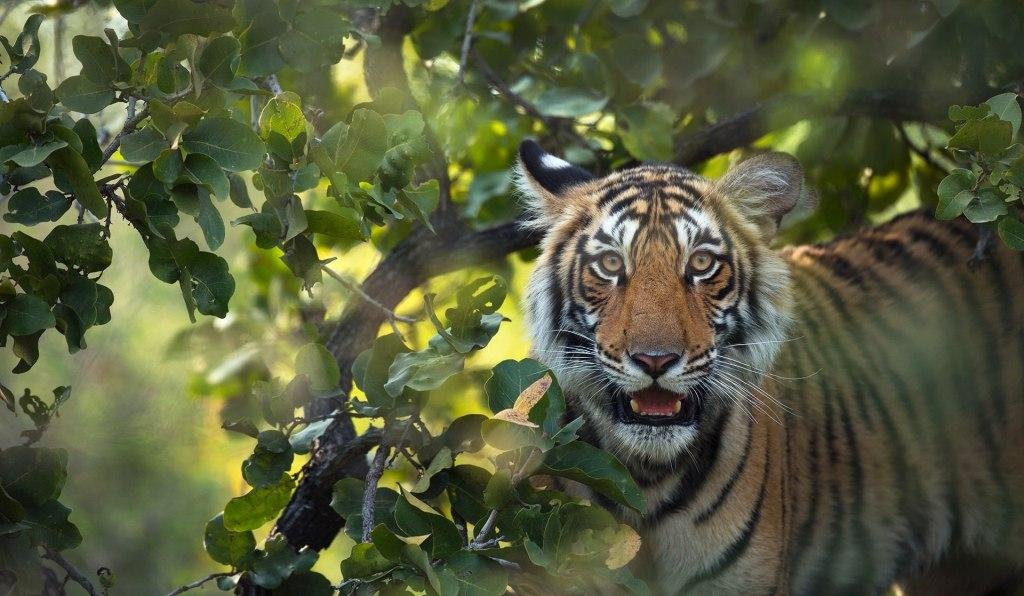
Bengal tigers

One of India's most reliable tiger populations, spread across several family territories.

10 safari zones

Each with its own terrain, waterholes and regular visitors.

10th-century fort

A UNESCO World Heritage hill fort standing inside the park boundary.

300+ bird species

Resident and migratory — one of the biggest reasons to bring binoculars.

Morning drive Gate opens 6:00 – 7:00 AM, depending on season

Cooler light, animals on the move, and the best odds of a tiger.

Afternoon drive Gate opens 2:00 – 3:30 PM, depending on season

Harder light for photos, but the forest is quieter and the birdlife is good.

Beyond the park

Things to do around Ranthambore

A fort on a hill, a temple in a forest courtyard, and a river full of crocodiles — all within a couple of hours of the main gate.

Getting there

How to reach Ranthambore

Sawai Madhopur is on the Delhi–Mumbai line, which makes the train the easiest option for most people. Here is how the three routes compare.

Nearest airport

By air

Jaipur International Airport (JAI) is the closest, about 180 km from the park gate. There are direct flights from Delhi, Mumbai, Bengaluru and Kolkata. Most guests pick up a taxi at the airport rather than trying to connect by bus.

3.5–4 hours by road
Nearest station

By train

Sawai Madhopur station is 11 km from the park and sits on the Delhi–Mumbai route, with direct services from Delhi, Mumbai, Jaipur, Kota, Chennai and Ahmedabad. It is the simplest way in for most travellers.

11 km from the gate
Bus, car or taxi

By road

Jaipur is 180 km, Kota 140 km, Ajmer 265 km and Delhi about 500 km. State-run and private buses run regularly from Jaipur and Kota. If you are driving, plan to reach Sawai Madhopur the evening before — the last stretch of road is not lit.

Arrive a day early, ideally
Guest feedback

What guests told us afterwards

A sample of the messages we get in the weeks after a trip. Not every review is a tiger sighting — the honest ones are more useful.

EXCELLENT

Based on 14 written reviews

Sampled from guest messages. Every review is linked to a real booking.

Before you book

Common Questions

How far ahead should I book?
Permit seats are capped per zone and sell out fast between November and February. Booking three to four weeks ahead usually works, though six to eight weeks is safer for holidays and long weekends. Late October to March is the busiest window.
Can I pick my zone?
Not on a standard booking. The Forest Department assigns your zone when the permit is issued, based on which zones have seats free that day. Tell us your preference and we will pass it on as a request, but it cannot be guaranteed.
Is the park open all year?
No. The park closes from 1 July to 30 September during the monsoon. The season runs 1 October to 30 June, though early October usually opens with zones 6 to 10 only before the rest of the reserve follows.
What does the price cover?
The park entry permit, the vehicle, a licensed guide, the driver and applicable taxes. Hotel pick-up and drop, and camera fees charged at the gate, are billed separately.
What if the permit cannot be issued?
If we cannot secure your permit, the full amount is refunded to your original payment method and we tell you the same day. You are never left chasing a booking that did not go through.

Still have questions?

Talk to the team in Sawai Madhopur — someone who already knows this week's permit situation will pick up.

Call +91 97858 85290 Send a message

Planning a Ranthambore safari? Read this first.

Most of what goes wrong in a Ranthambore trip comes down to five things: the permit system, the weather window, the vehicle you pick, the ID you carry, and how you behave once the gate closes. Here is the short version of all five, written by people who file these permits every single day.

How the permit system actually works

Ranthambore does not sell tickets at a counter. Every seat is allocated by the Forest Department through an official booking portal, and the number of seats per zone is fixed for each day. That is why a zone can be full at 9 am on a Tuesday and still have room that afternoon — the allocation is per shift, not per day.

When your permit clears, we send you the zone, the gate you must report to, and the reporting time. Your zone is not a choice on a standard booking. You can tell us you would rather be in zone 3 or 6, and we will register the preference, but the department makes the final allocation.

Which months to pick

The park runs 1 October to 30 June. Everything after that — July, August and September — is closed for the monsoon, and the forest tracks turn to mud.

Within the season, the trade-off is real. October to February gives you green forest, cool mornings and the highest number of visitors. March to June is hot, dry and quiet, and because water is scarce the animals concentrate near the lakes and nullas, which often means better sightings in a smaller window of time.

If this is your first tiger safari and sightings matter most to you, April to June is the harder bet to get wrong. If you want comfortable temperatures and can accept fewer guarantees, come in December.

Gypsy or Canter — pick honestly

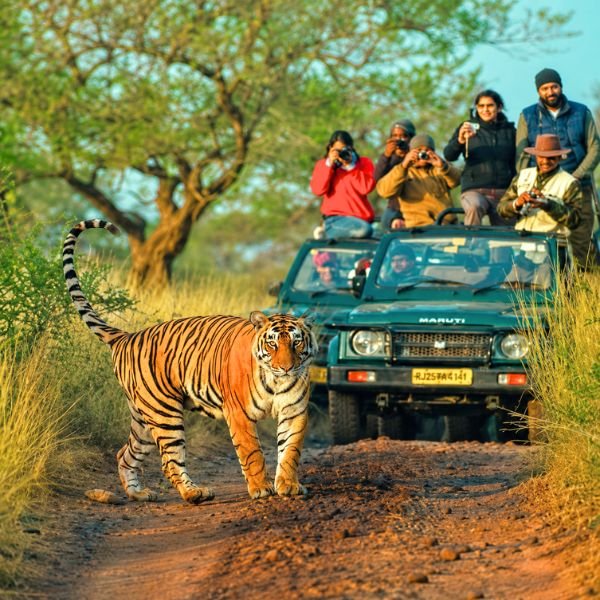
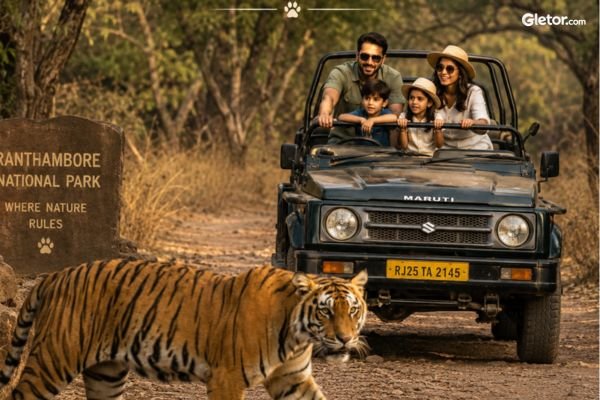
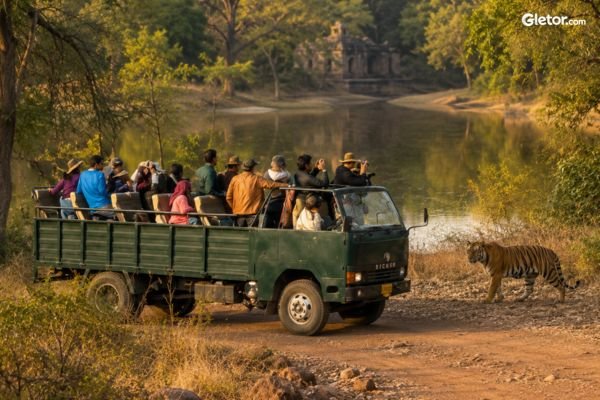
The Gypsy is a six-seater open 4x4. It reaches the narrow interior tracks, it stops wherever it needs to, and it is the vehicle almost every serious wildlife photographer chooses. The Canter is a twenty-seater open bus on the main routes. It is roughly half the price per seat and a genuinely good way to see the park.

Neither is a premium version of the other — they are different tools. Pay the extra per head for a Gypsy if you want the trails and the flexibility, and pay for the Canter if you would rather put the money into two more nights at a good resort. Children under five ride free on both.

The documents that get you through the gate

Every traveller needs an original government photo ID at the check-post — Aadhaar, PAN, Voter ID, driving licence, or a school ID card for a child. Foreign visitors need the original passport, and the permit application has to carry the passport number.

This is the single most common reason a booking falls apart on the morning of the safari. Whatever you upload at booking time, carry the same document on the day. A photocopy will not be accepted. If a guest in your party is missing theirs, the vehicle leaves without you.

How to behave once the gate closes

Speak quietly. No music, no calls, no standing up in the vehicle while it is moving. Do not call animals towards you, tap the glass, or try to reposition a tiger for a photograph — guides have watched people get an entire vehicle warned off for that.

Stay in the vehicle except where you are explicitly told to get out. Do not litter, and do not offer food to anything. Flash photography of wildlife is fine; flash during a bird walk rarely is. Most of all, accept that you may see nothing. On a good day at Ranthambore you might wait six hours for two minutes of a tiger. That is normal, and it is why people come back.

What to actually pack

Binoculars, a camera with a lens that reaches at least 300 mm, a lens cloth, and more memory cards than you think you need. In winter, a thick jacket for the 6 AM start — the open vehicle at dawn in December is genuinely cold. In summer, a cap, sunglasses, sunscreen and two litres of water.

Also bring mosquito repellent for the evening drive, a small torch, and cash. There is no ATM inside the park, the gate charges camera fees in cash, and mobile coverage drops the moment you cross the boundary.
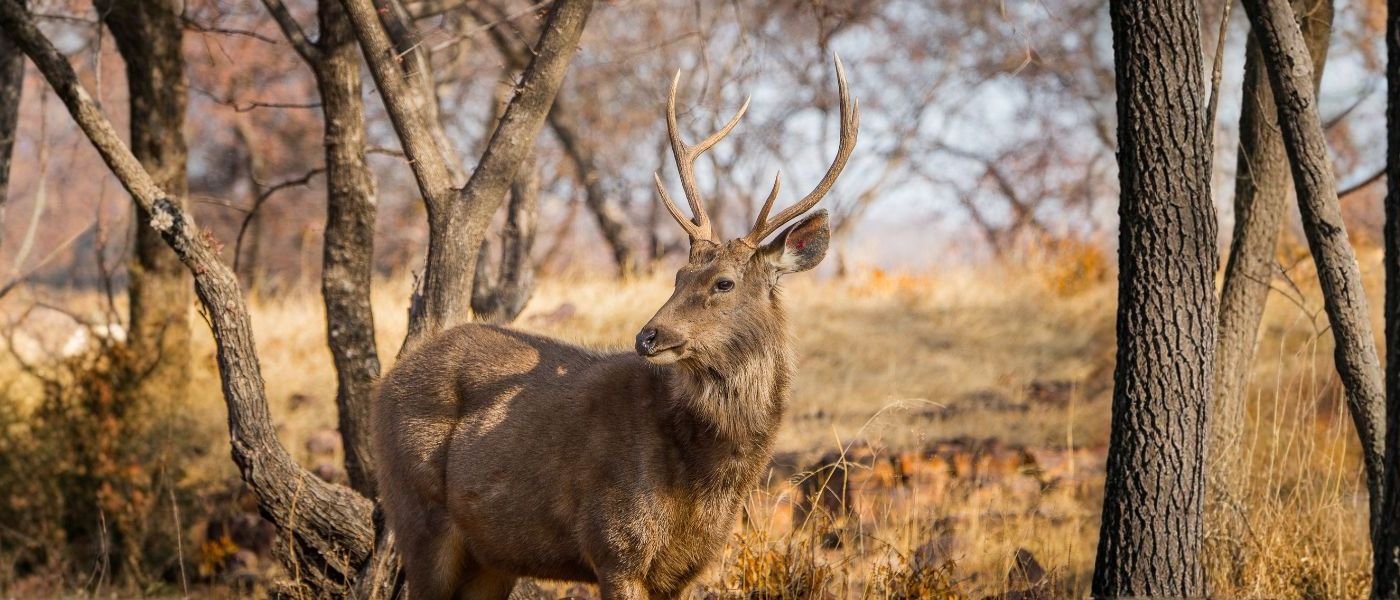
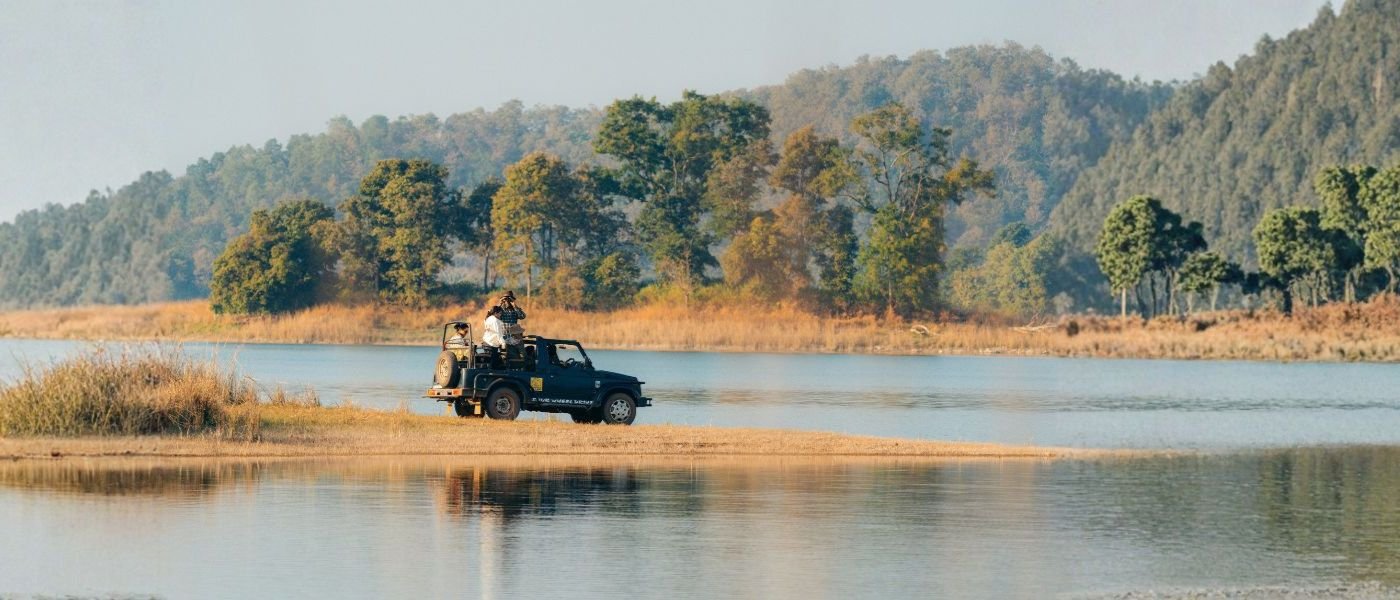
Ranthambore is not a guaranteed sighting, and we will never tell you otherwise. What we can promise is that the permit is real, the price you were quoted is the price you pay, and there is a person in Sawai Madhopur who answers the phone at 6 am when you need to know which gate to go to.

Check your dates and book, or message us first if you would rather talk it through before paying anyone.